Well under retail — and we’ll show you why.
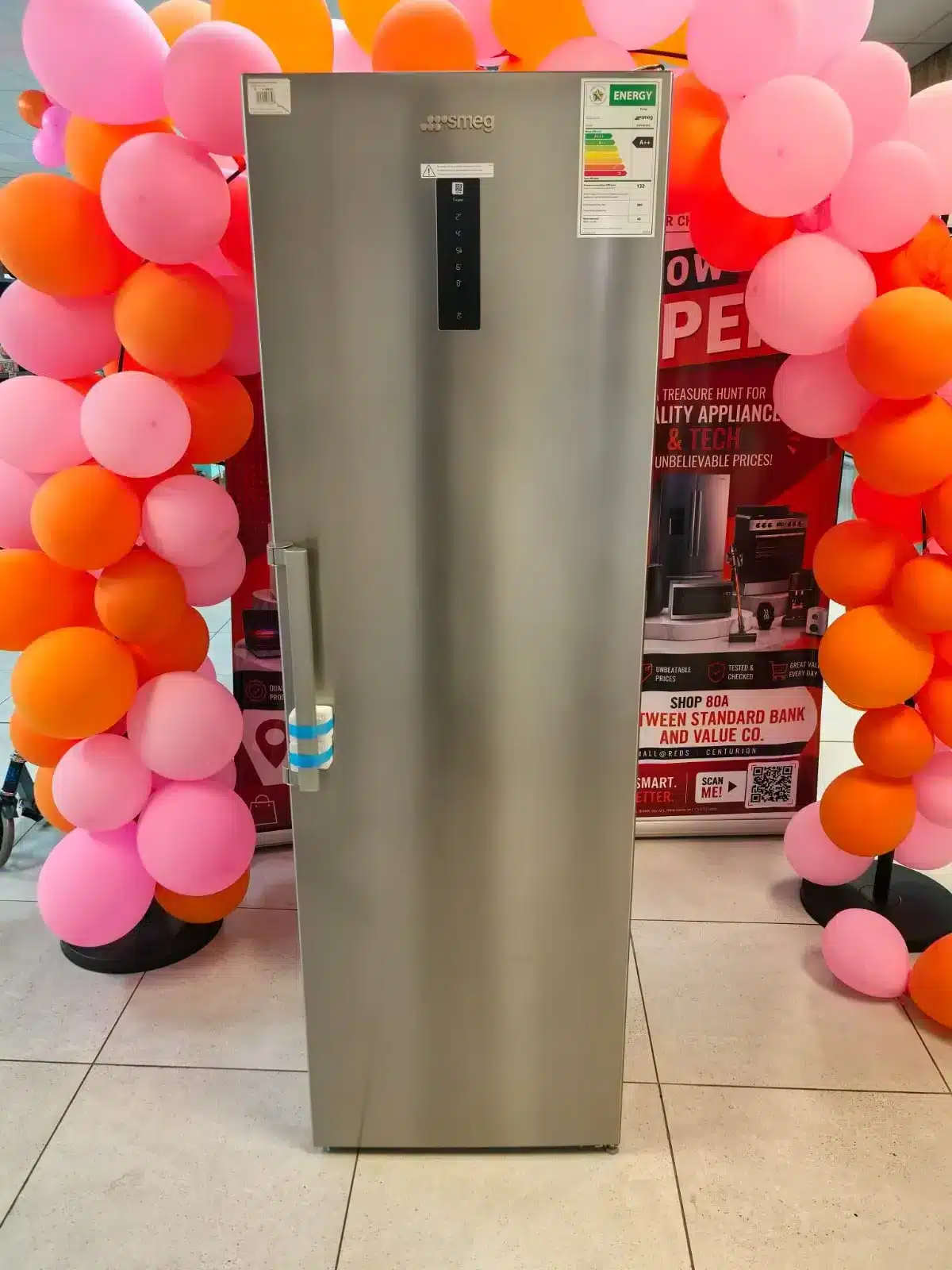
Retailer returns, demo units and damaged-box stock: every item tested working, graded honestly, and covered by our 6-month warranty. See it at Sunnyside, Mall@Reds or Modderfontein — or order online with free delivery over R2 000.
 Mall@Reds
Copy: brand/voice.md §6 rewrite 1 — approved verbatimPhoto & R9 999 price: live listing, fetched 2026-07-14Retail anchor pair: voice.md rewrite 2Grade shown is illustrative — assigned on inspection
Well under retail — and we’ll show you why.
Every item tested working, graded honestly, 6-month warranty. Three Gauteng stores or free delivery over R2 000.
Mall@Reds
Well under retail.
And we’ll show you why: the price drops because of the box, not the product. Tested working, graded, 6-month warranty.
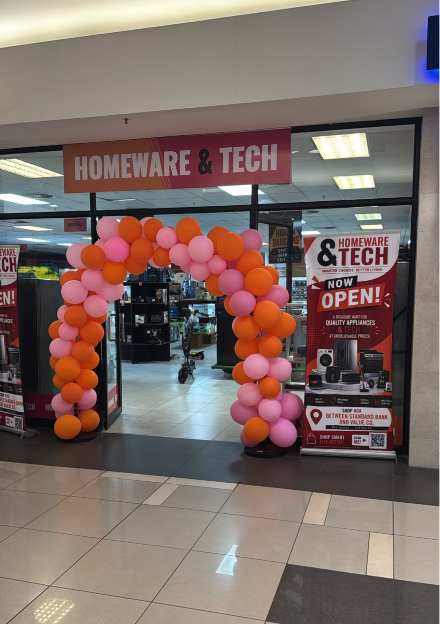 Mall@Reds · Centurion
Recommendation: launch with Variant A. The dark band with the full trust strip carries most of the anti-suspicion load at the moment of rebrand; Variant B is a strong A/B test once the story has landed. Mobile keeps the H1, one CTA and one proof-carrying product card above the fold.
Storefront photo: brand/identity/ (real store)One orange CTA per view — DESIGN.md
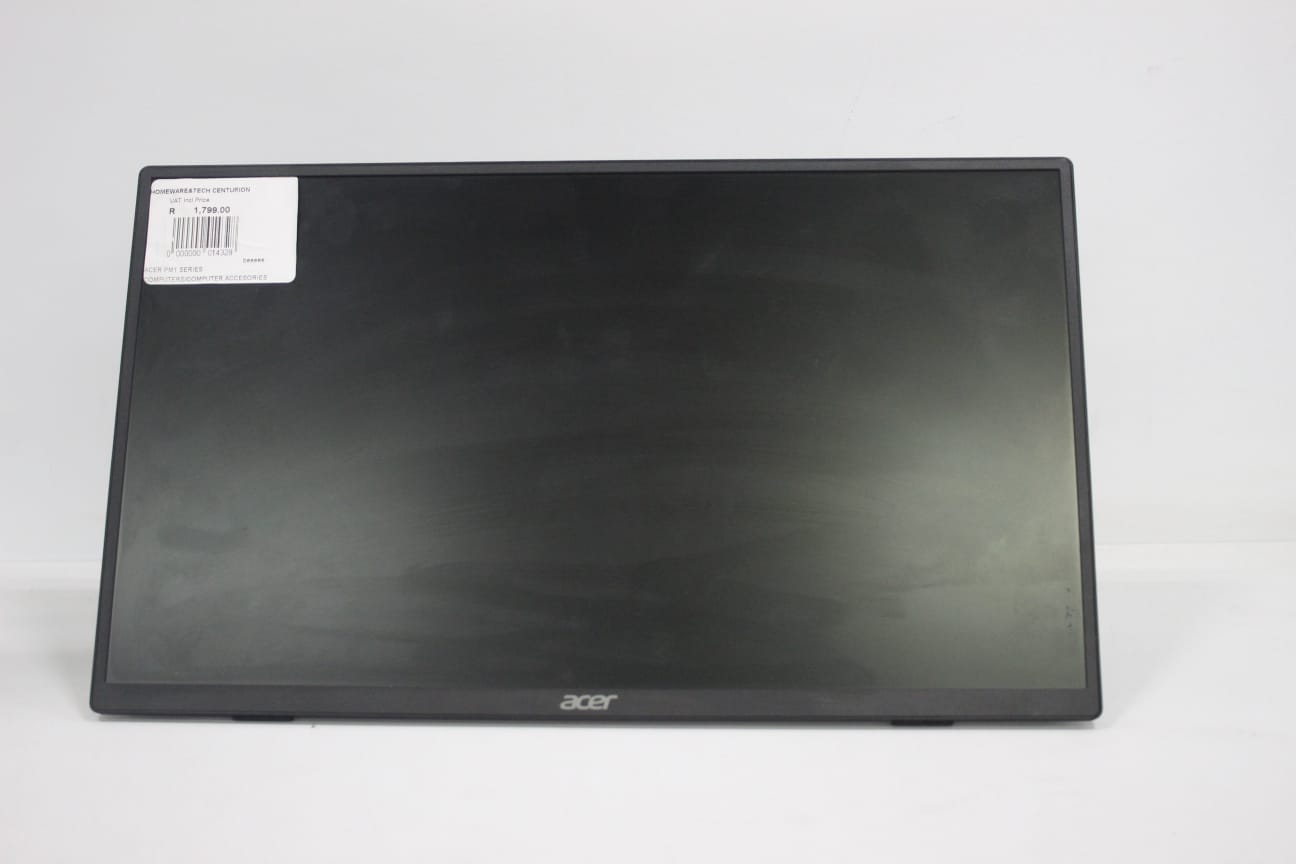
Same monitor. The card now argues its own price.
Acer Portable Monitor PM161Q 15.6″ Full HD (1920×1080) IPS 16:9 6ms 250nits HDR10 AdaptiveSync MiniHDMI 2xType-C Black
R1799,00
Condition: Used · Grade: B
Eleven specs in the title, zero reasons in the price. “Used · Grade B” is false (never owned), off the grading ladder — and banned vocabulary.
 Sunnyside
Title formula: Brand + model + two selling specs + grade. Damage note flat, located, photo-numbered. Price in rand format R1 799, never R1799,00.
† The struck retail is blank on purpose: it comes from the item record, and under the new system a listing cannot publish without it. The grade, store and damage note here are illustrative — assigned at inspection.
Under R2 000 — so the card offers collection, never claims free deliveryPhoto: live listing, fetched 2026-07-14
Well under retail — see why
One message per banner: the primary line plus a price that carries its reason. No starbursts, no percentages, no countdowns — the discount is explained, not shouted. Every size links to the homepage hero (message match).
Also to export: 336×280 · 160×600 · 300×600 · 970×2501200×628 for PMax / Demand GenDelivery: PNG set (HTML5 optional later)
Never owned.
Well under retail.
The cover is the gradient panel from the physical storefront sign — white display type is the only text allowed on it. Right side: the real Mall@Reds shopfront, balloons and all. Profile picture: the favicon mark on the gradient. Safe zone: Facebook crops covers to ~640×312 on phones — the store names row stays inside the left two-thirds.
Same art adapts to GBP covers ×3 storesSkyscraper 160×600 follows the 300×600 layout
Never owned.
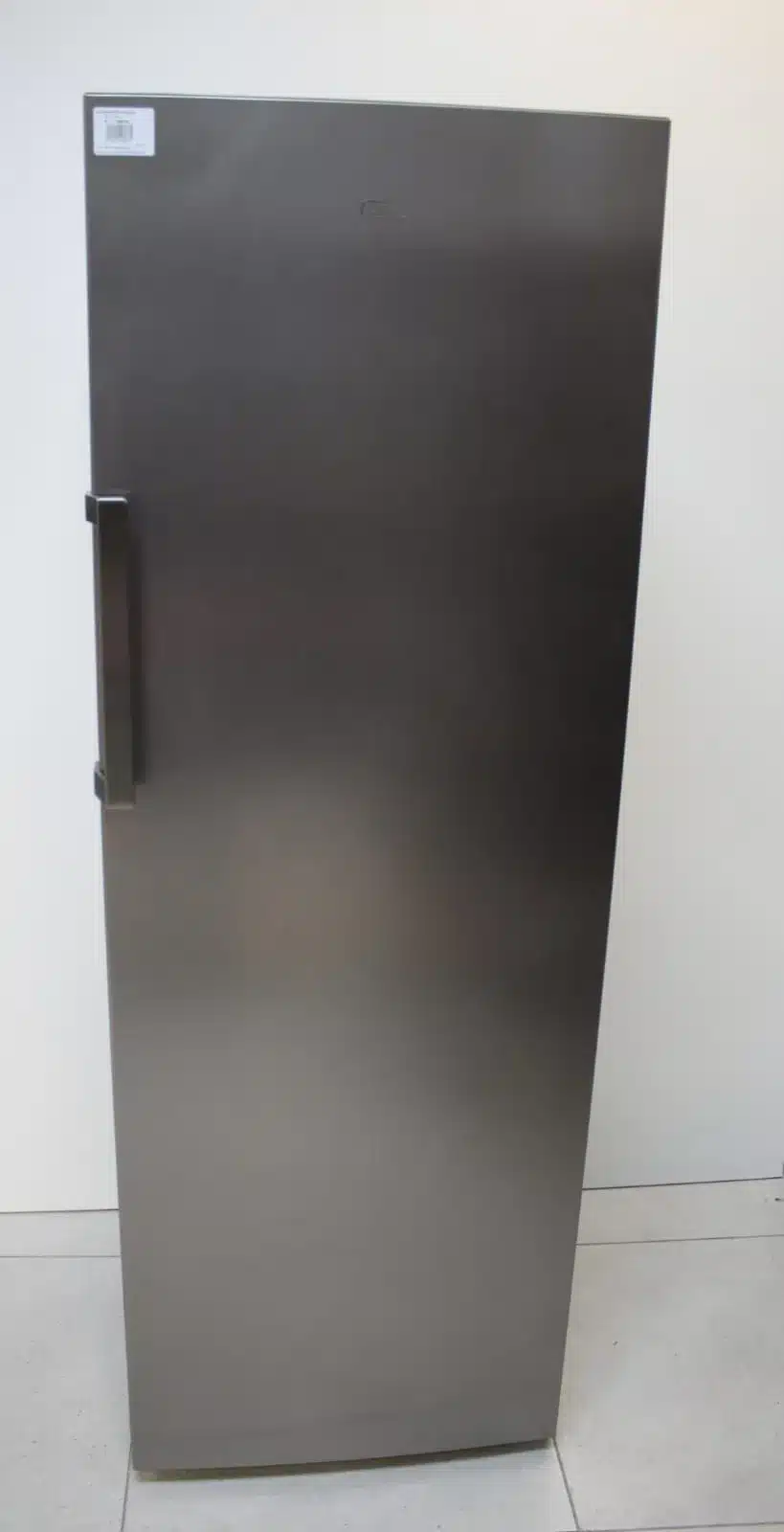
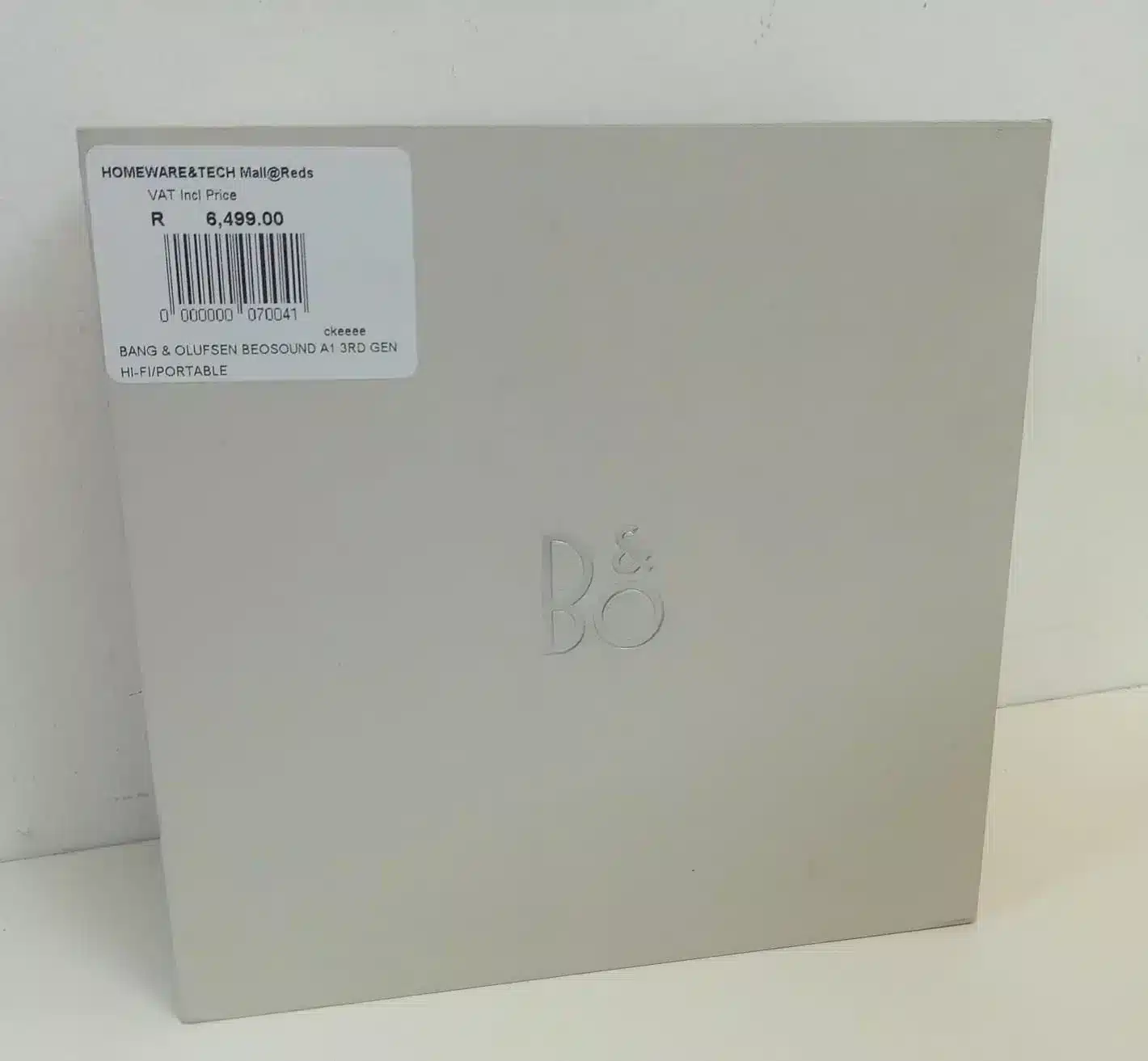
Why these four cards
Card 1 states the story; then one hero-grade item, one sealed appliance, one sealed premium-brand box — the range in one swipe. The B&O photo still wears its Mall@Reds price sticker: shown sealed, exactly as it sits in the store.
Inside every limit
Primary text 114/125 characters. Headlines 23–32/40. Card images 1080×1080. One “brand new” per surface, zero exclamation marks, scarcity stated flatly. Card 4 gets its retail anchor from the item record before launch — no price ships alone.
What comes later
This is the manual launch creative. Once the feed work is in place (grade → condition, custom labels), Advantage+ catalog ads generate per-store and per-grade carousels automatically from the same product data.
The counter runs on Yoco
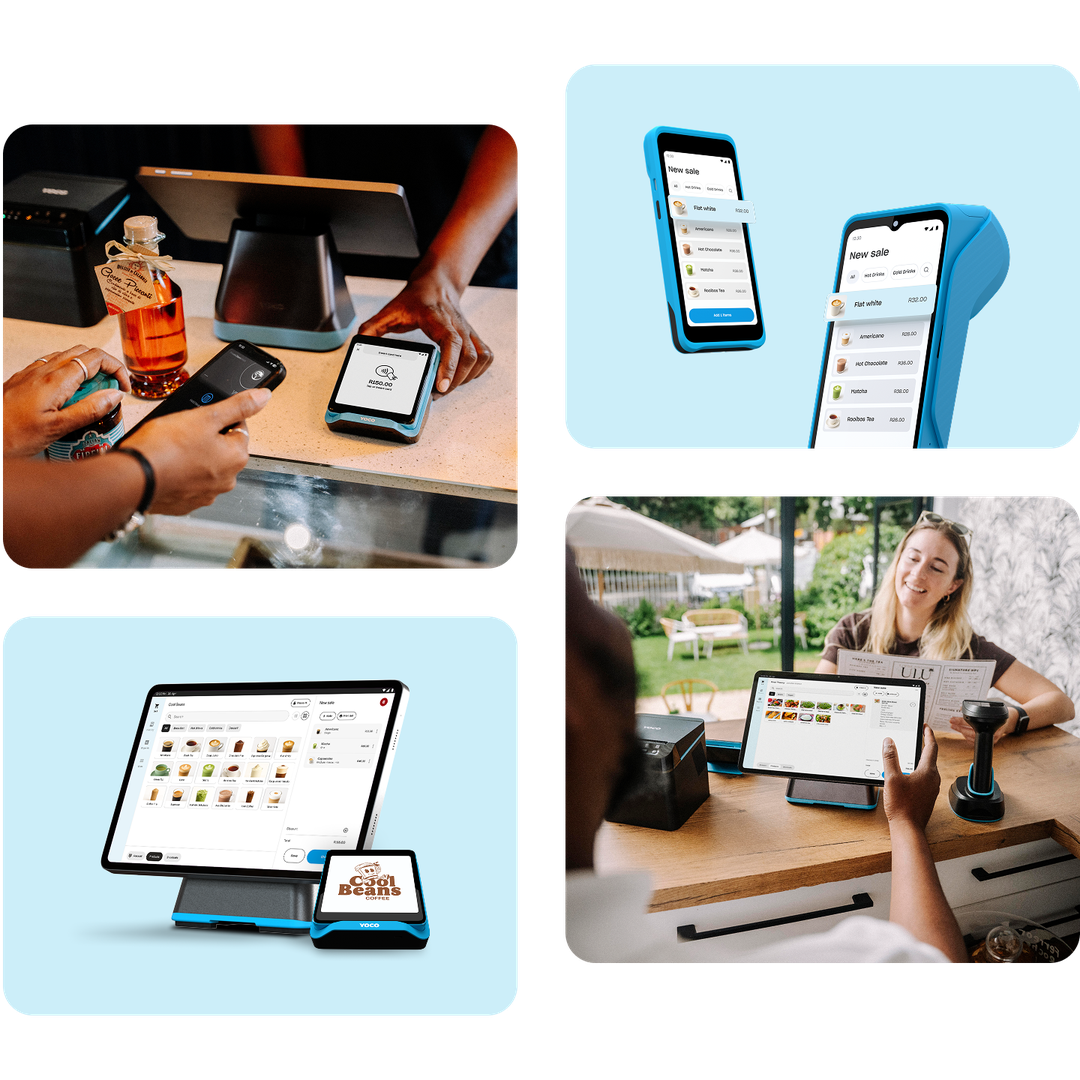
Yoco Counter — R2 999
All-in-one countertop till with the Neo Touch card machine included. Runs on wifi with battery backup for load shedding. Takes the barcode scanner and Yoco receipt printer. Was R4 999.
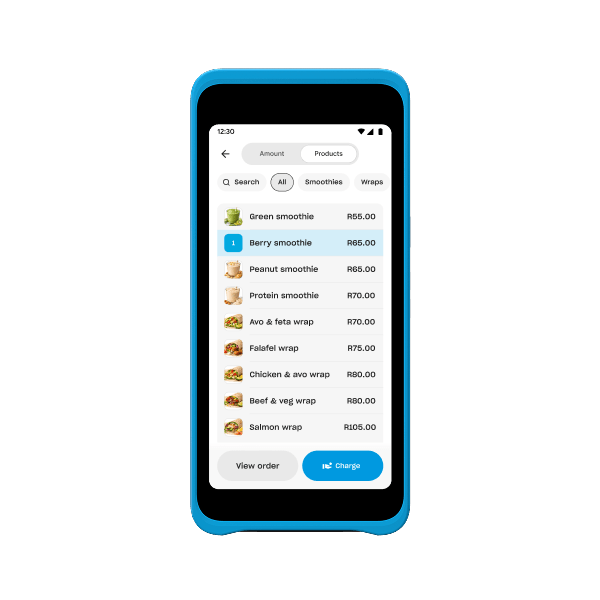
Khumo Print 2 — R1 499
Handheld till with the receipt printer built in, its own multi-network SIM (R49/month) and an 18-hour battery — sells through wifi outages. Khumo 2 without printer: R699.
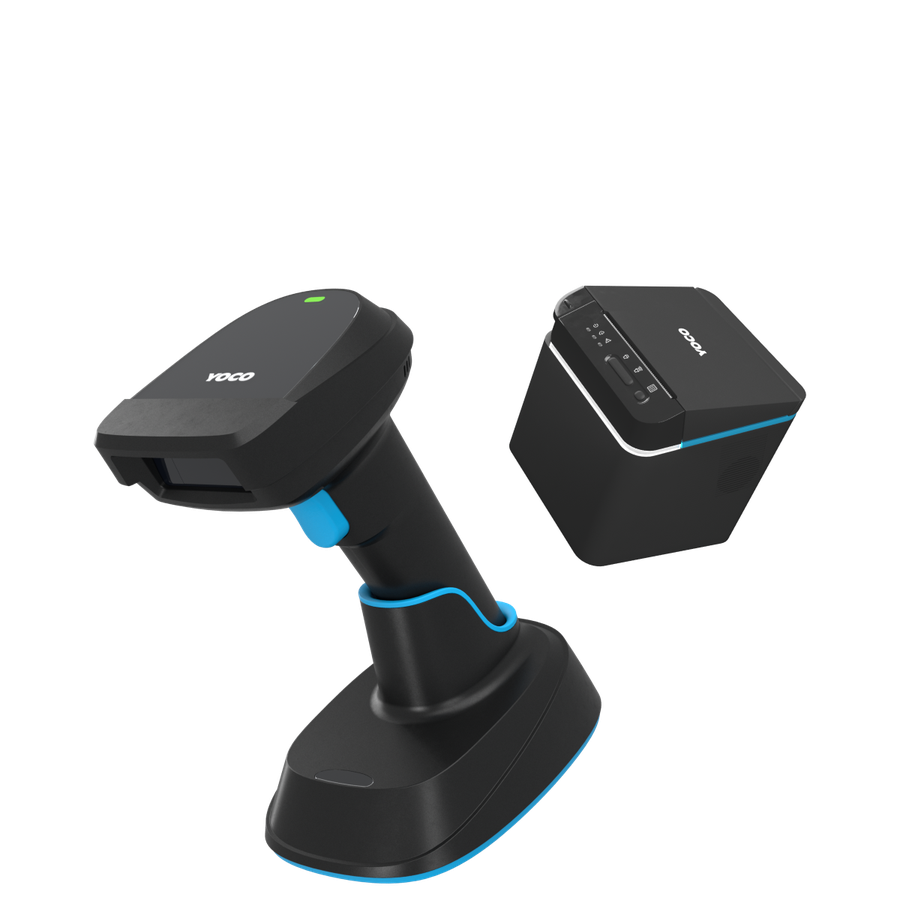
Scanner & printer add-ons
Bluetooth barcode scanner (1D + QR) and the Yoco receipt printer pair with the Counter. Add-on pricing per store confirmed with the rep.
The custom part of this solution is deliberately small: one lightweight sync service we own. The part cashiers touch all day is purpose-built hardware from a South African company with local support.